Learning Through Play
In this category, you’ll find craft ideas, templates, and playful materials that help children better understand important everyday topics—from brushing teeth and emotions to preparing for a new sibling.
Fimo breasts for empathetic role-playing around breastfeeding
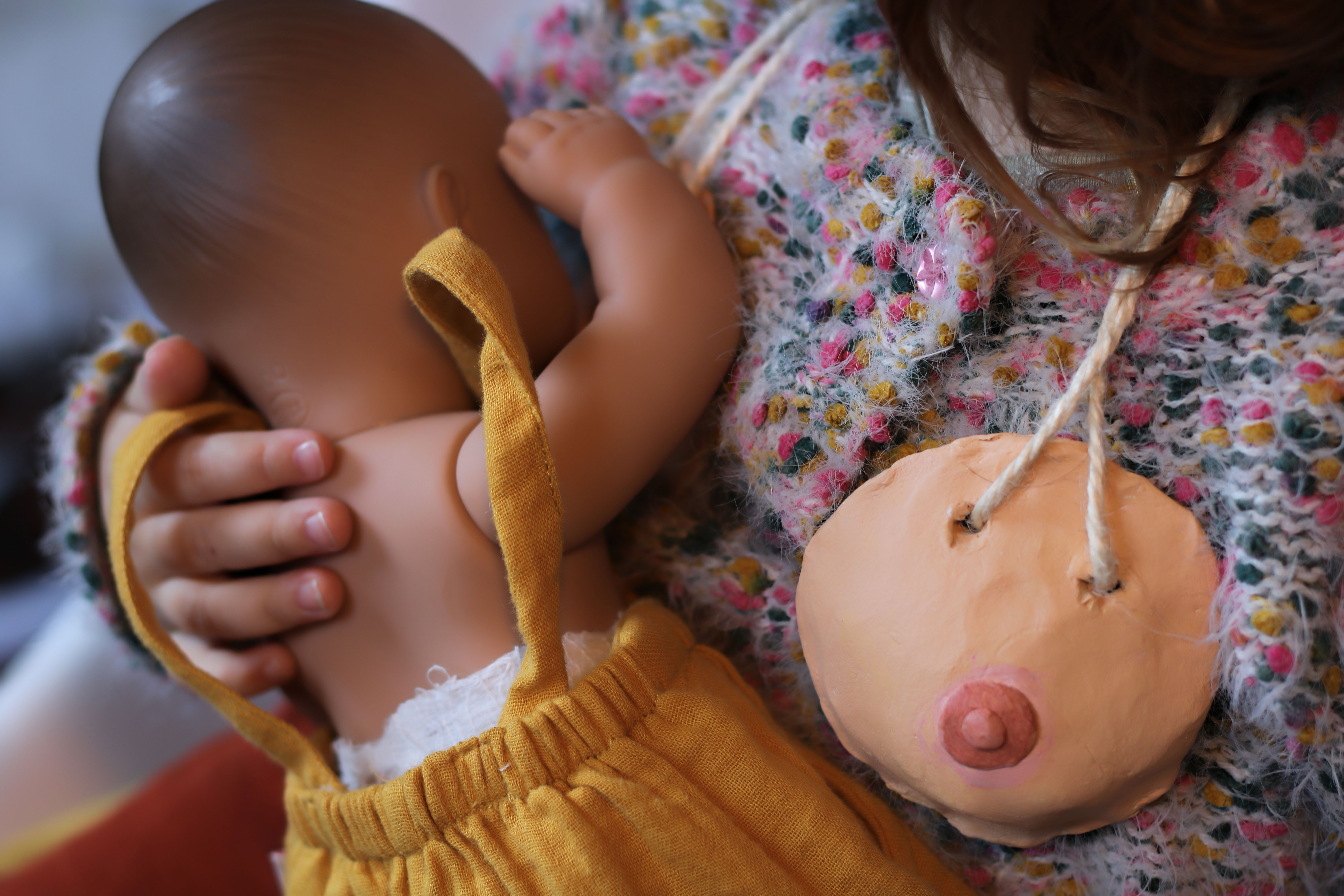
With these homemade Fimo breasts, siblings can playfully imitate what they experience in their daily lives or will soon learn about. Especially when a baby is on the way or is already being breastfed, this craft idea can help integrate the topic of breastfeeding into play in a natural and child-friendly way.
Children process many new experiences through role-play. Depending on their age, they can even help with the crafting and design the breasts together with you. This not only creates a special craft project but also offers a lovely opportunity to start a conversation about breastfeeding, the body, and new family life. Instead of always feeding dolls with a bottle, children learn in this way, almost without realizing it, that breastfeeding is also something natural and loving.
Here's what you'll need:
- Fimo in various colors, or light-colored Fimo for painting later
- Acrylic paint, if needed, for painting after curing
- a ribbon or a cord
- Surface (we use a food-safe one)
 Fimo in various colors, or light-colored Fimo for painting later
Affiliate links — we may receive a small commission, your price stays the same.
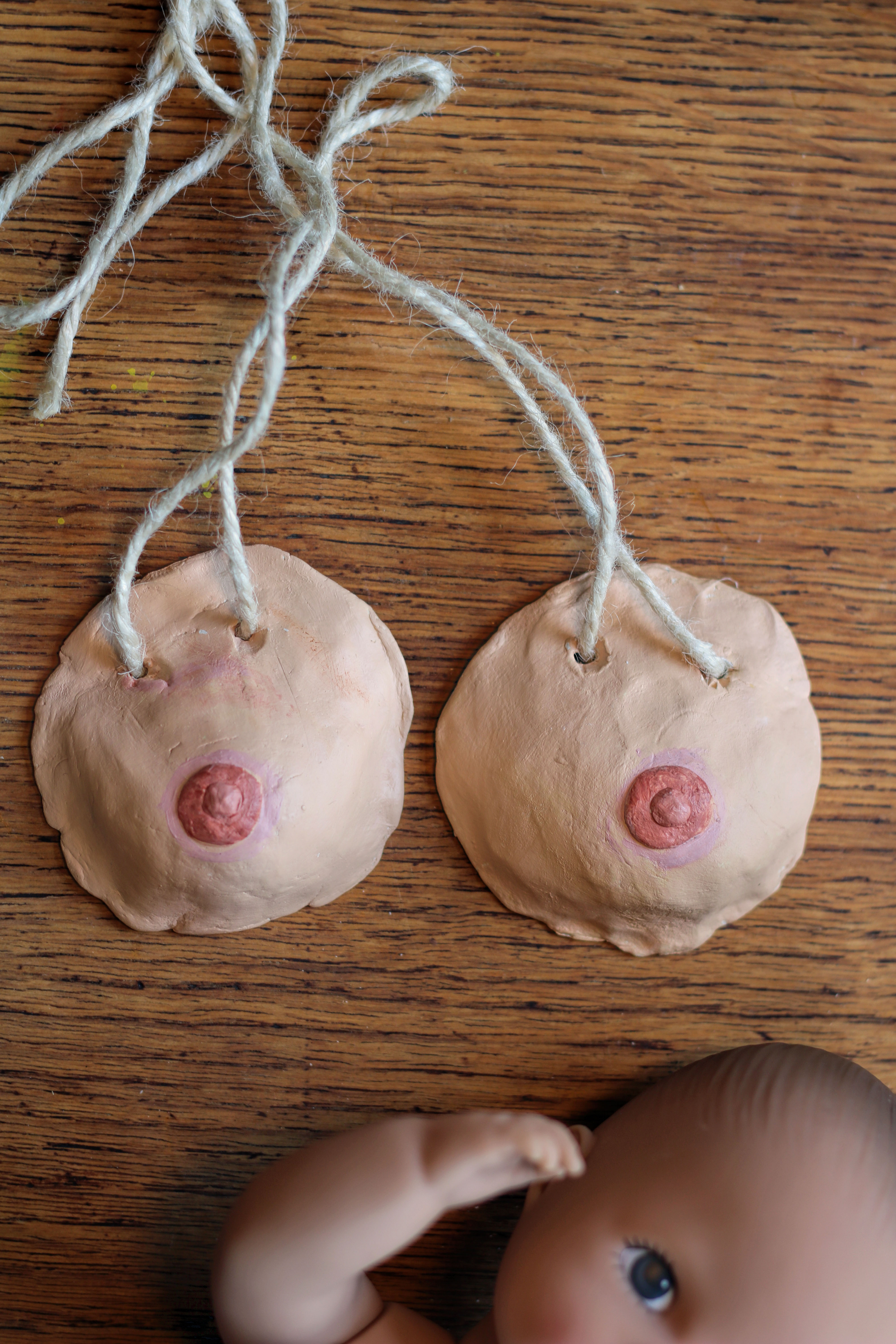
Here's how it works:
Shape two soft breast forms out of the polymer clay. Then sculpt the areola and nipple to make the shape look even more lifelike. Make two small holes at the top of each breast. A ribbon will be threaded through these holes later so the child can hang the breasts around their neck or wear them.
Now cure the Fimo according to the package instructions. Once cured, you can paint and lovingly decorate the breasts if you like. Then thread the ribbon through the holes and tie it into a bow at the back. This makes it easy to adjust the size.
The finished polymer clay breasts are perfect for loving role-play with dolls, stuffed animals, or during free play. They can help children become familiar with breastfeeding in a natural way and understand new family situations through play.
Practicing toothbrushing with a template – Learning to brush teeth through play
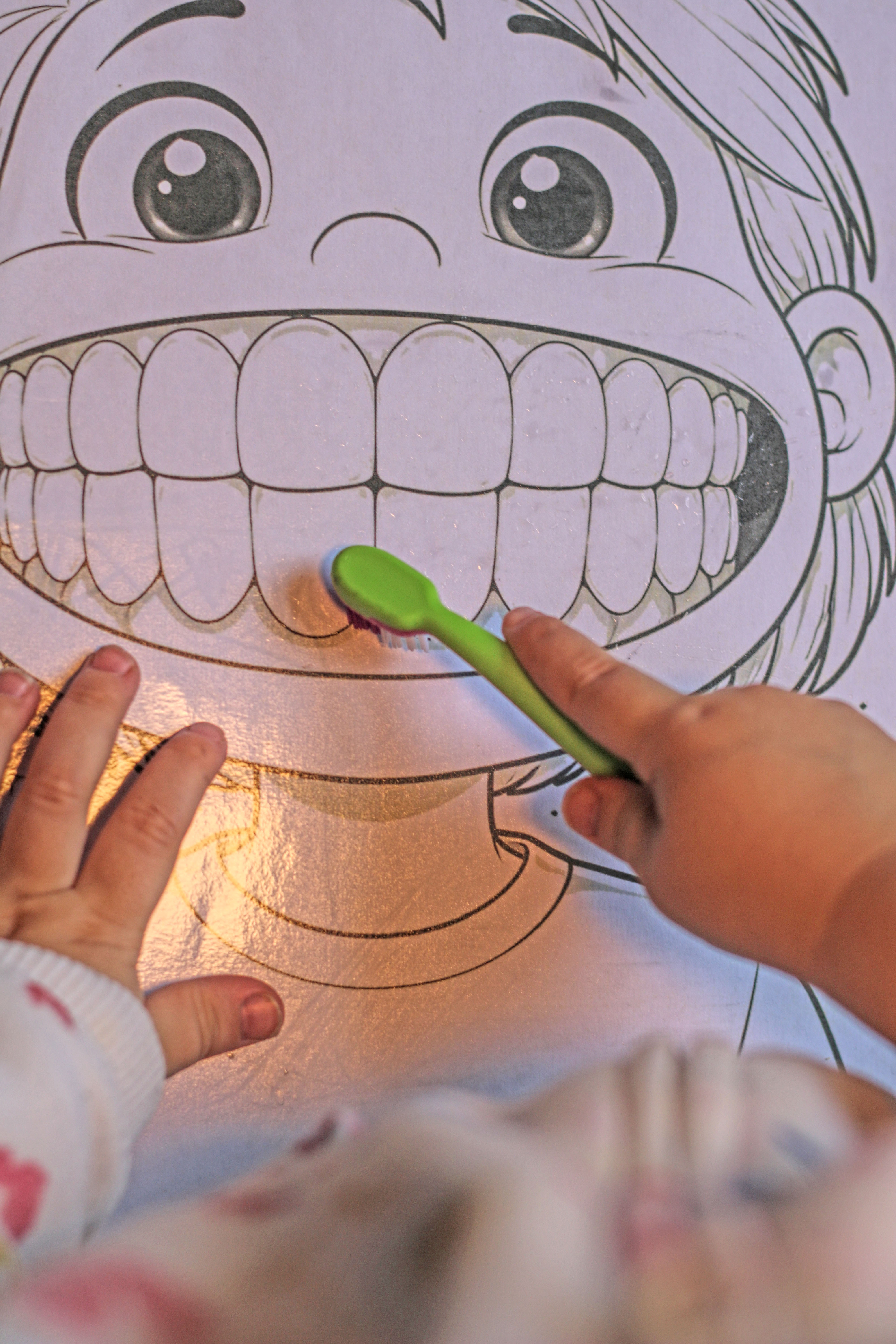
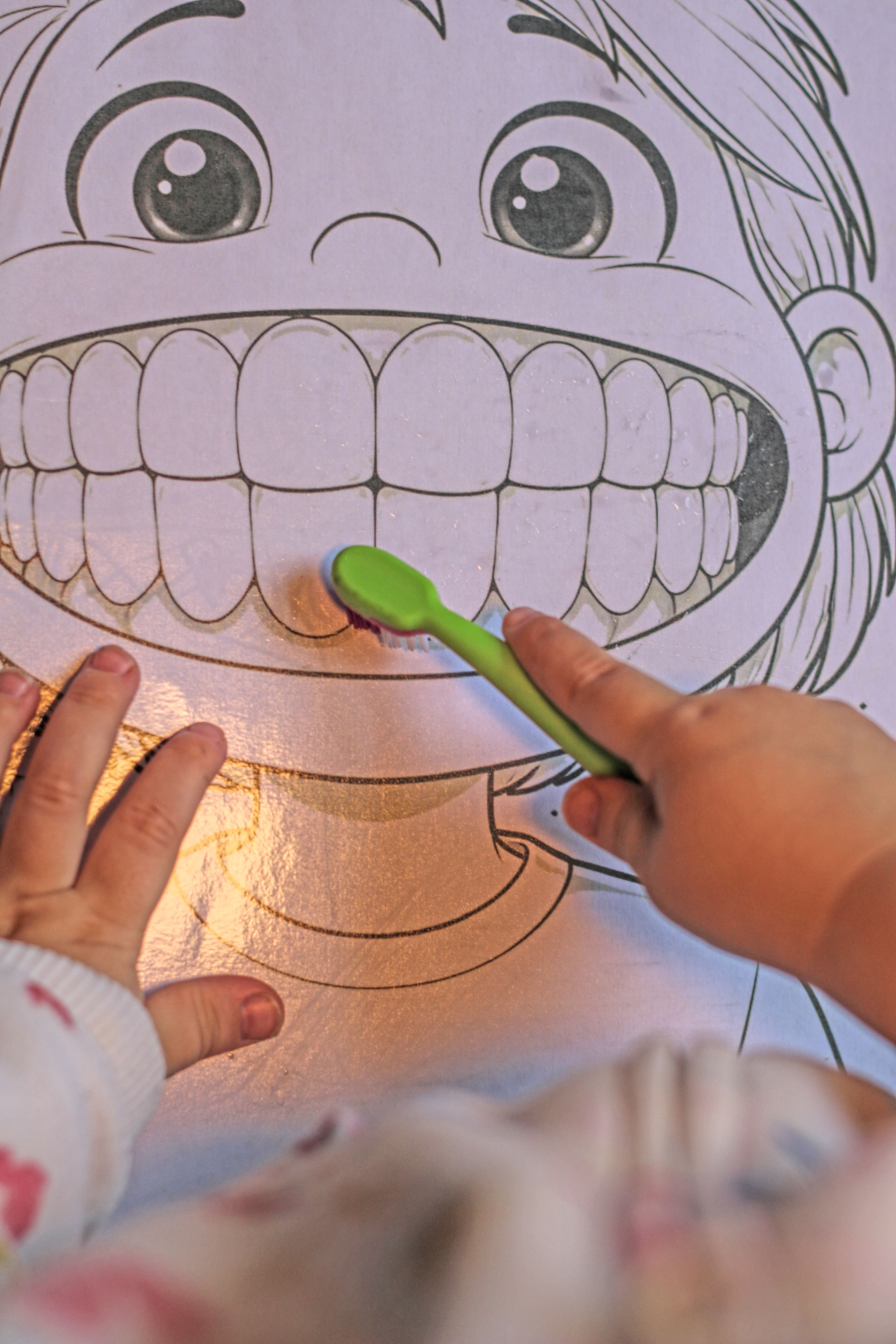
With a toothbrushing template, children can practice brushing their teeth in a playful way. This isn’t just fun, but also helps them get familiar with the motion of the toothbrush and develop an initial sense of how to brush.
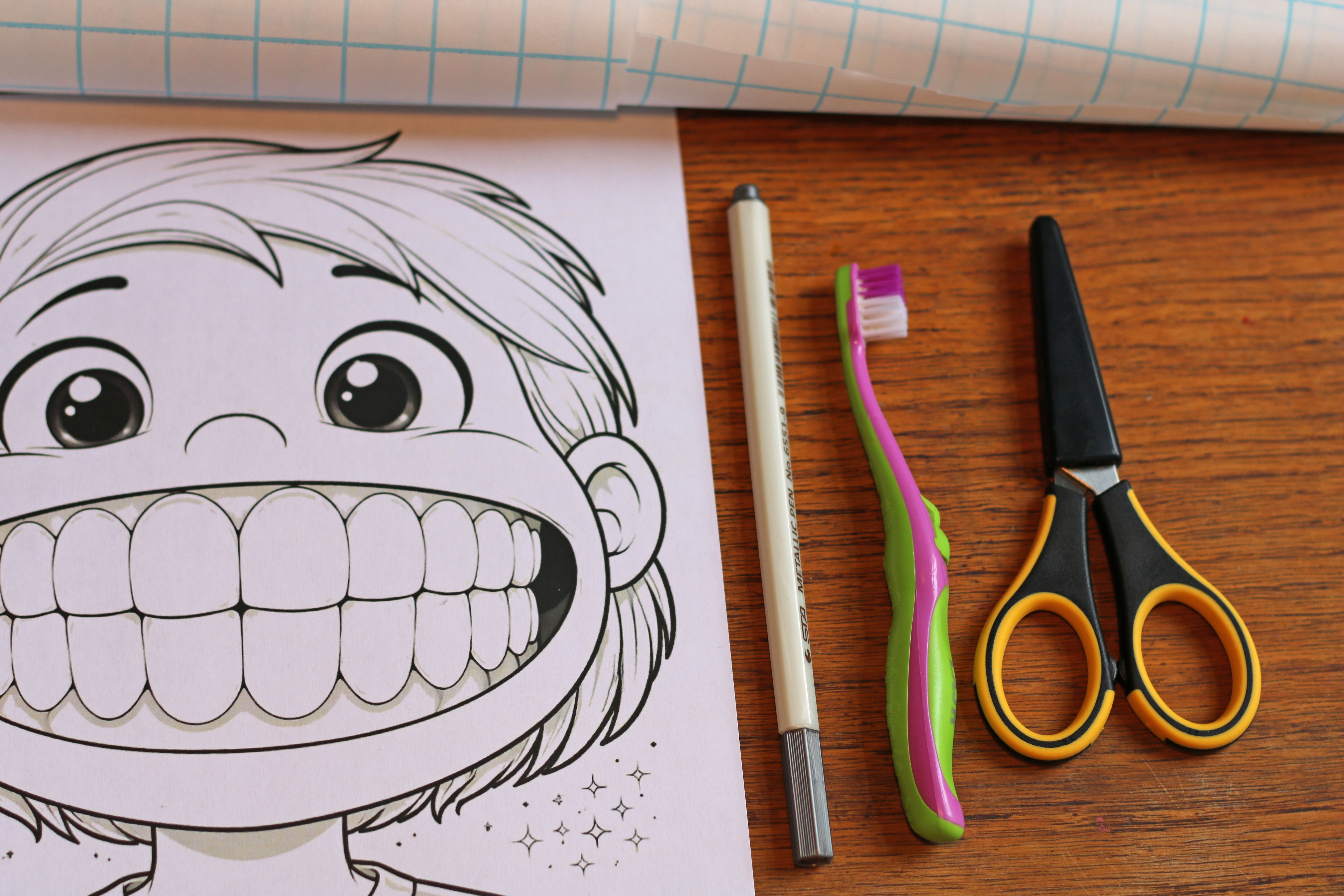
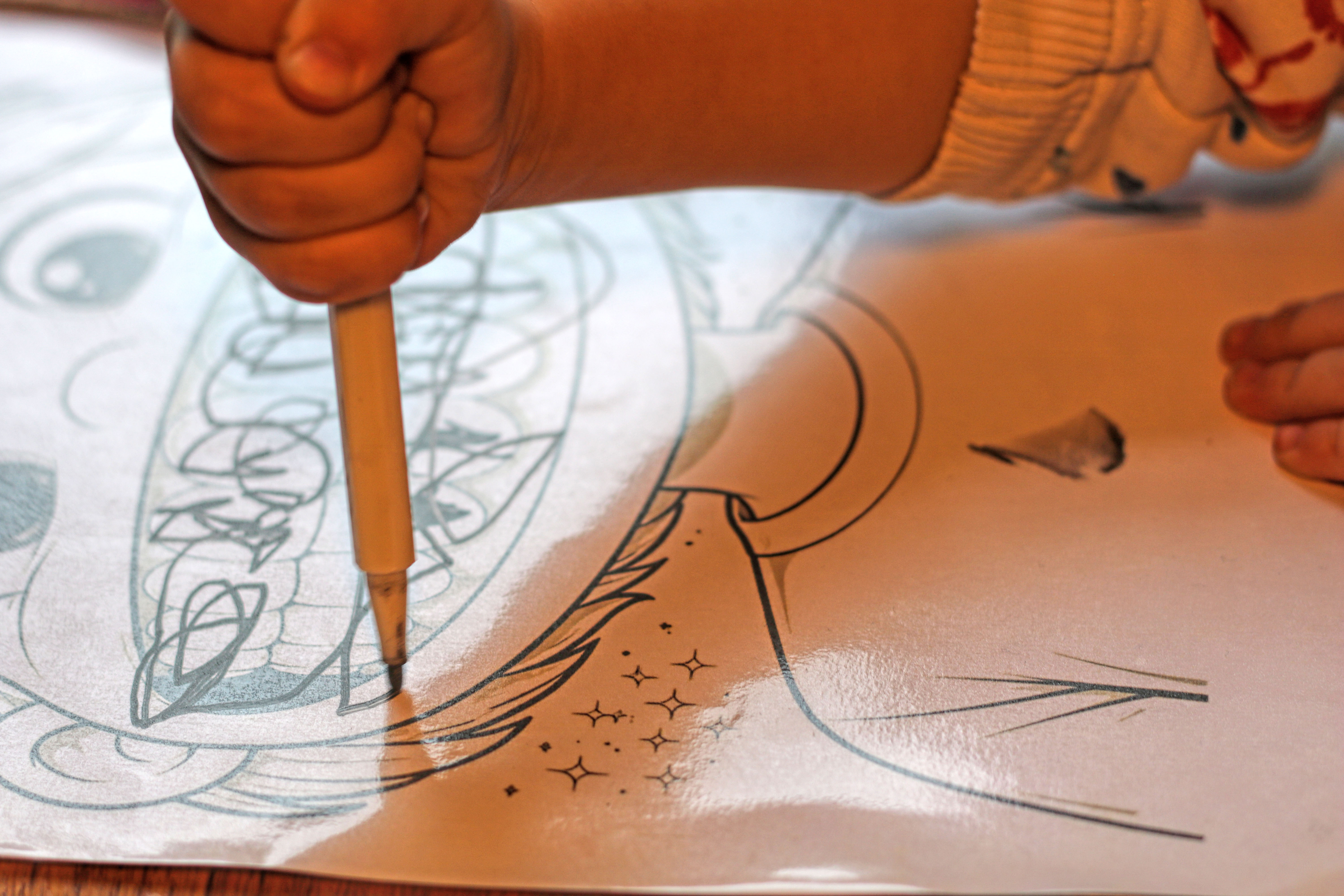
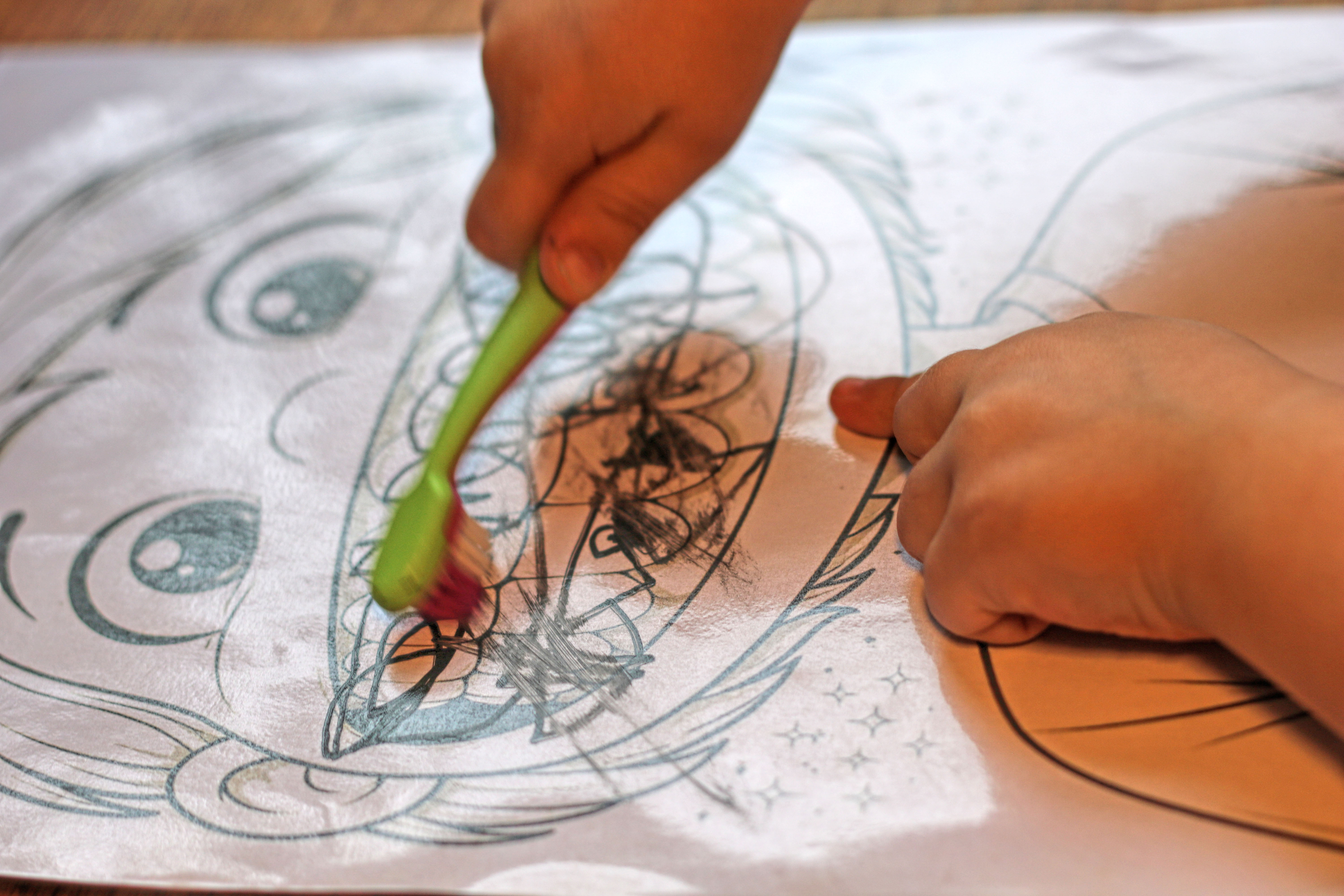
Among our templates, you’ll find suitable designs to print out. The picture can be colored in as desired. The only important thing is that the teeth stay white. Then, cover the template with book adhesive film. This way, the teeth can be colored in again and again with a wipeable marker and then cleaned with a toothbrush.
A simple and fun idea for young children—for playing, learning, and practicing.
Here's what you'll need:
- A toothbrush template from our craft templates
- optional: colored pencils
- Bookbinding film
- a washable marker
- an (old) toothbrush
Affiliate links — we may receive a small commission, your price stays the same.
Häufige Fragen
What does "play-based learning" mean?
Play-based learning means that children naturally explore new topics through trial and error, hands-on activities, repetition, and discovery. This allows them to learn at their own pace, without pressure, and with lots of fun.
What age group are these materials suitable for?
That depends on the specific template or craft idea. Many activities are suitable for toddlers when supervised, while others are particularly well-suited for kindergarten and preschool children.
Why is learning through play so valuable?
Children learn best when they are allowed to participate actively. Through crafts, painting, gluing, and practice, their perception, language skills, motor skills, independence, and often their ability to process everyday situations emotionally are developed naturally.
What does the toothbrushing program promote?
The toothbrushing template not only promotes fine motor skills and hand-eye coordination, but can also help children approach toothbrushing in a playful way without feeling pressured. Especially when toothbrushing is associated with resistance, uncertainty, or frustration in everyday life, the template can provide relief. Children are allowed to shape the situation themselves through play, experience a sense of control, and calmly imitate the process. This way, the topic of brushing teeth can become more familiar and be associated with greater confidence and positive feelings.
What are the benefits of polymer clay breasts for siblings?
Polymer clay breasts can help older siblings better understand breastfeeding and find their own role in this new family situation. Especially when a baby needs a lot of closeness with Mom, this can trigger feelings of insecurity, frustration, or jealousy in the older sibling. When they’re allowed to sit down with their doll or stuffed animal and “breastfeed” together with Mom, they experience closeness, inclusion, and connection. This can be a relief, help manage emotions, and assist in processing the new situation in a playful way.
Are polymer clay breasts also suitable for boys?
Yes, absolutely. Role-playing, nurturing, and processing emotions aren’t limited to any one gender. Boys, too, can experience closeness, feel included, and better understand the new family situation by playfully imitating breastfeeding.
Why can such materials be helpful in everyday family life?
They give children the opportunity to reenact everyday situations through play and gain a better understanding of them. As a result, children often feel more secure, taken more seriously, and lovingly supported. This can gently ease tensions in daily life and create new, bonding moments.
Do children need help from adults with the materials?
It depends on their age. Young children especially benefit when an adult explains things to them, guides them, and joins in. Older children can already try many things on their own, but they often still enjoy spending time together.
Which skills are particularly fostered through play-based learning?
Depending on the material, these activities can help develop fine motor skills, concentration, creativity, language skills, daily living skills, social understanding, and emotional security.