Craft Techniques for Every Occasion
With our craft ideas, young children can playfully discover various techniques such as blowing, gluing, stamping, dabbing, tearing, or laying. What makes them special: These techniques can also be used for many other occasions with all of our templates—whether with our ready-made designs or with custom templates created using our craft template generator.
Blowing
Blowing creates exciting color effects and very special patterns.
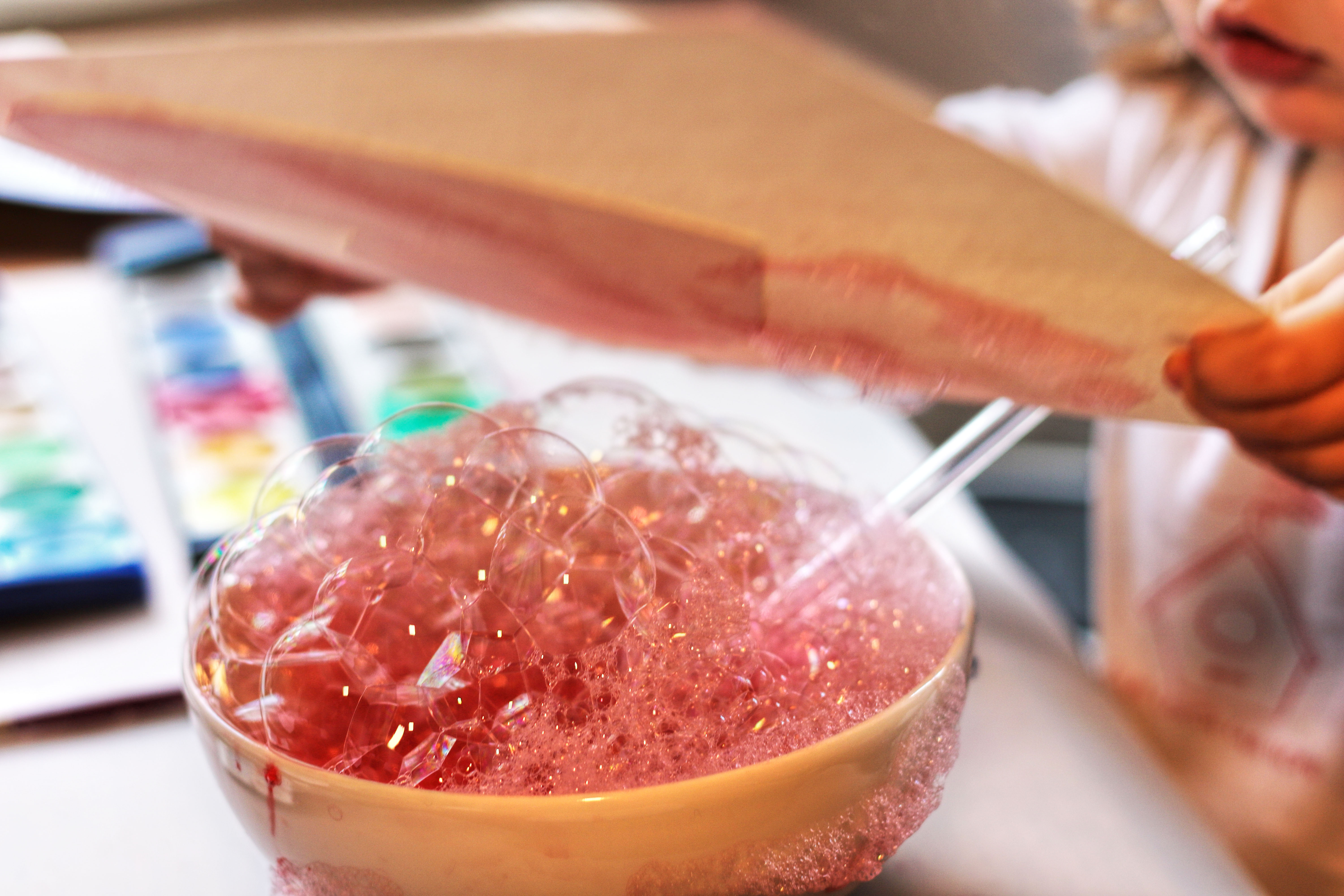
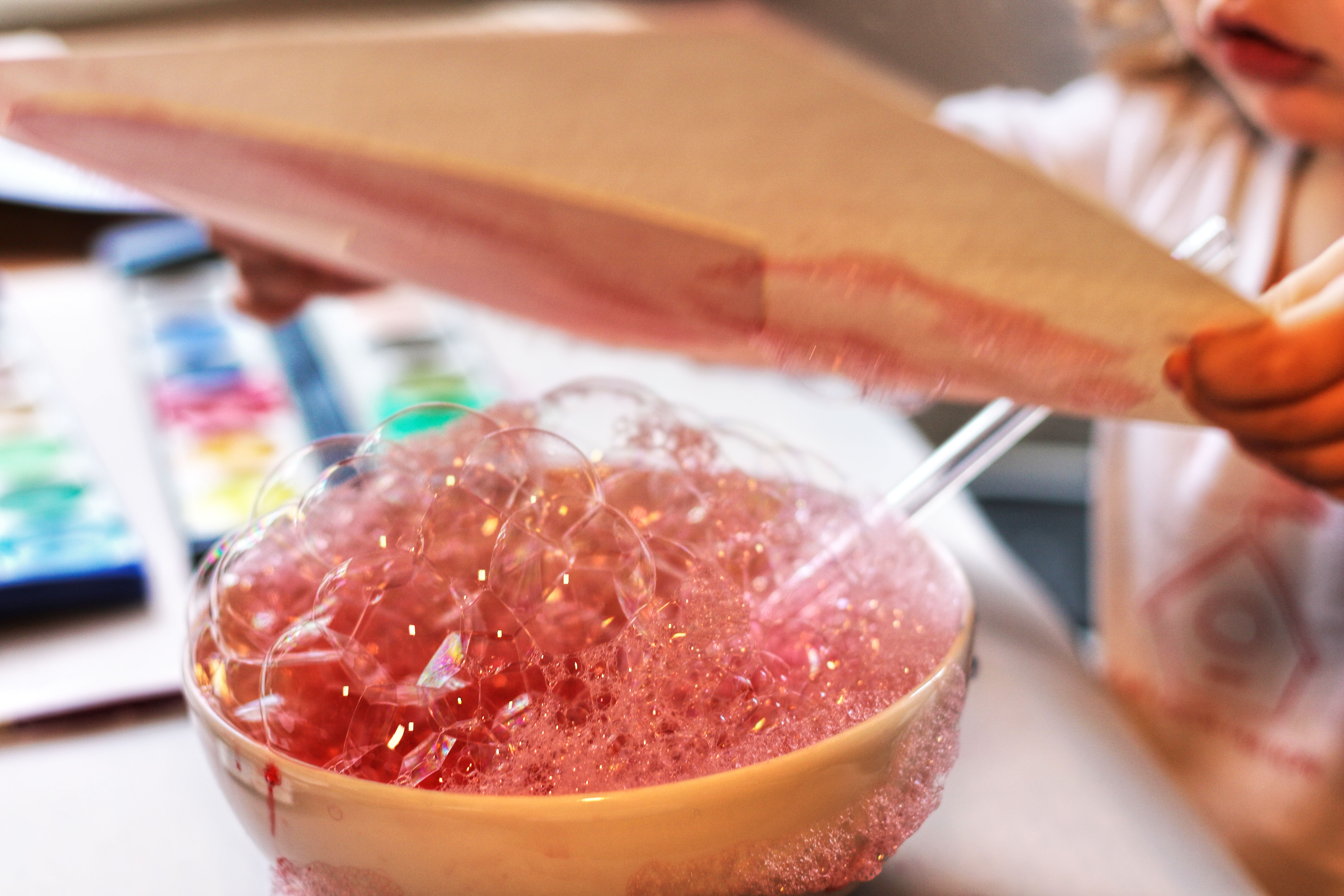
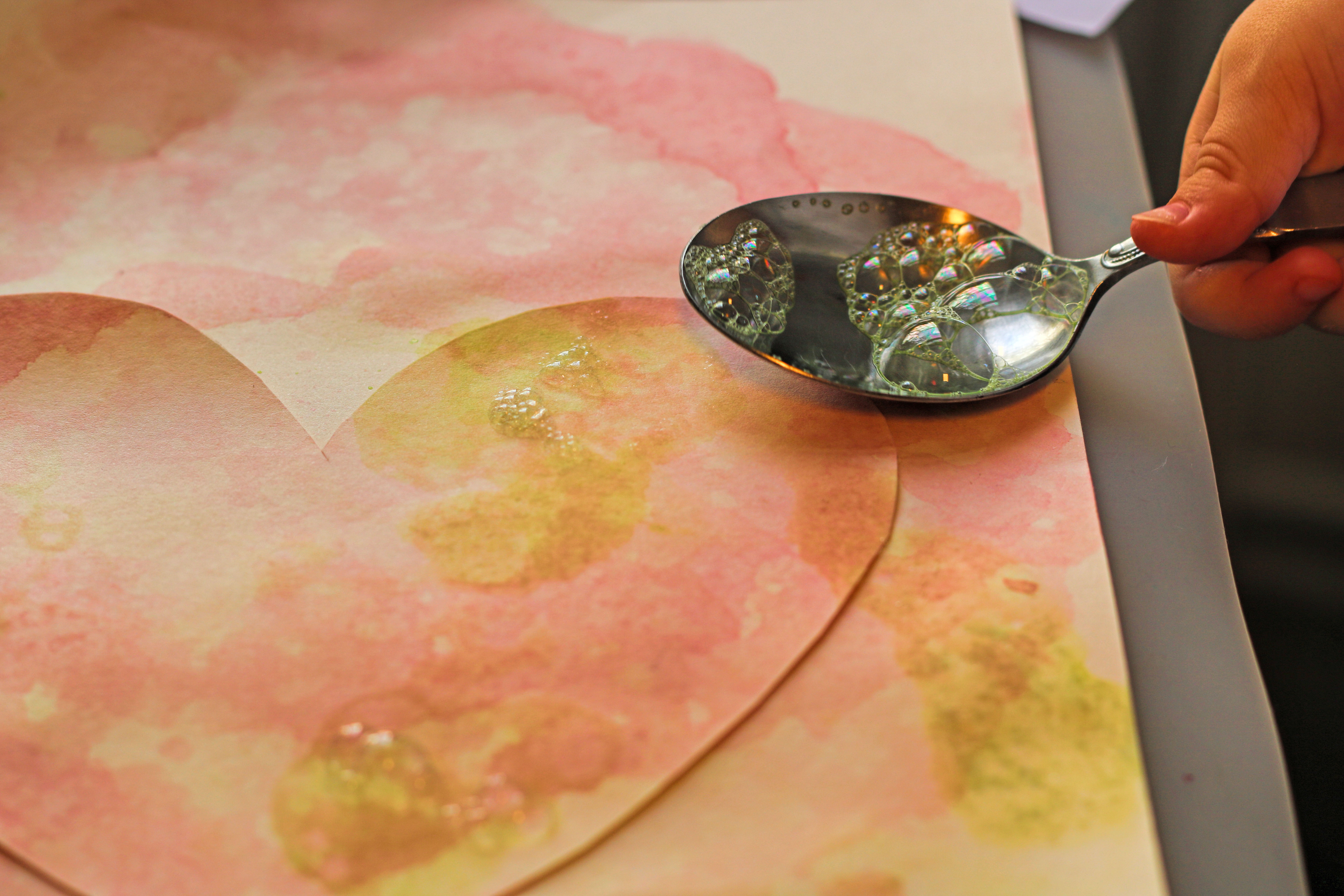
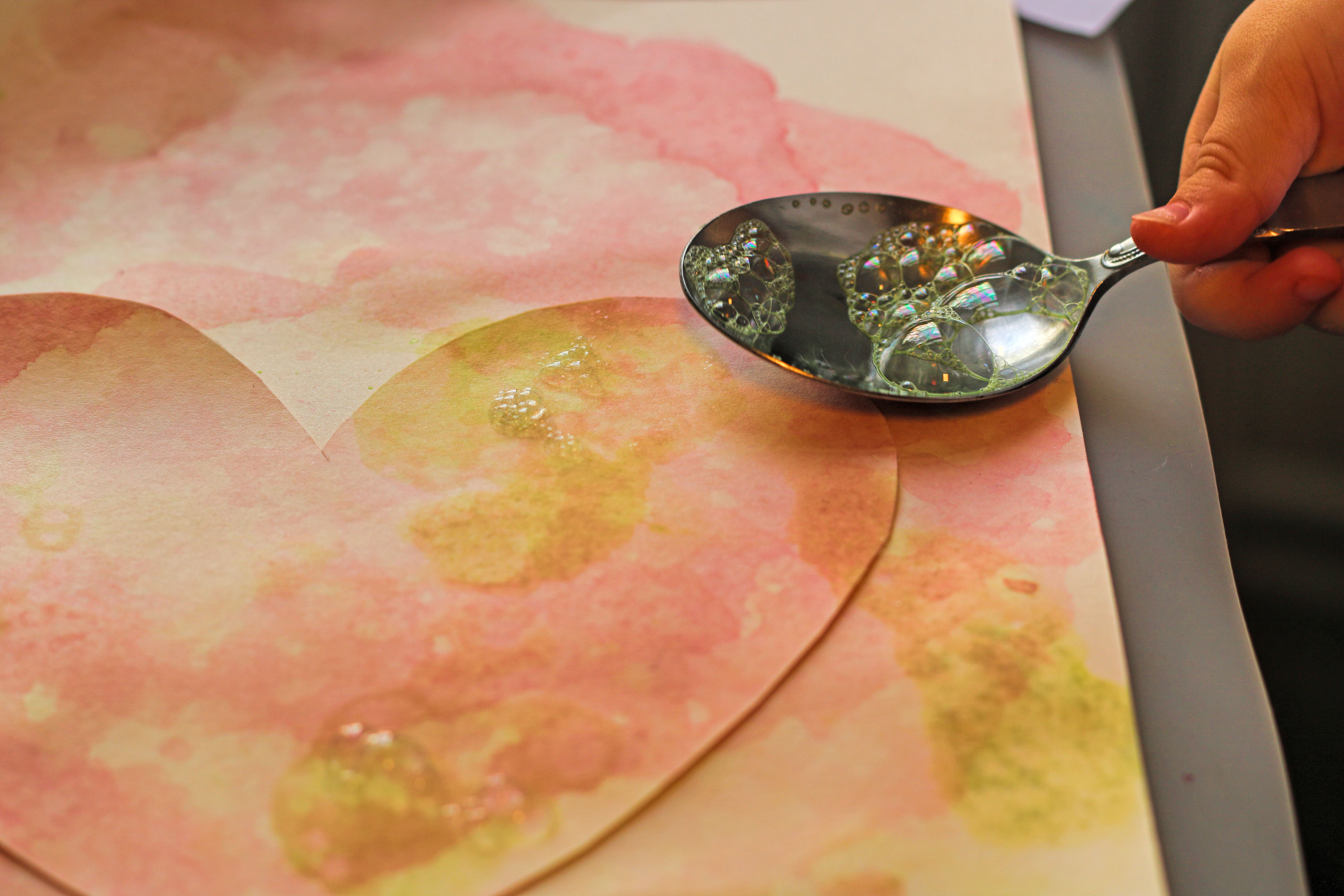
Bubble art: Using watercolor paint, dish soap, and a straw or bubble wand, colorful bubbles are created in a bowl. Depending on the child’s age, the bubbles can then be carefully transferred to the paper using a spoon or hands, leaving delicate and unique color trails.
Blowing pictures: Diluted watercolor is blown around a stencil using a straw. This creates fine, blending color trails.
Gluing
Even young children can easily participate in gluing and place materials themselves.
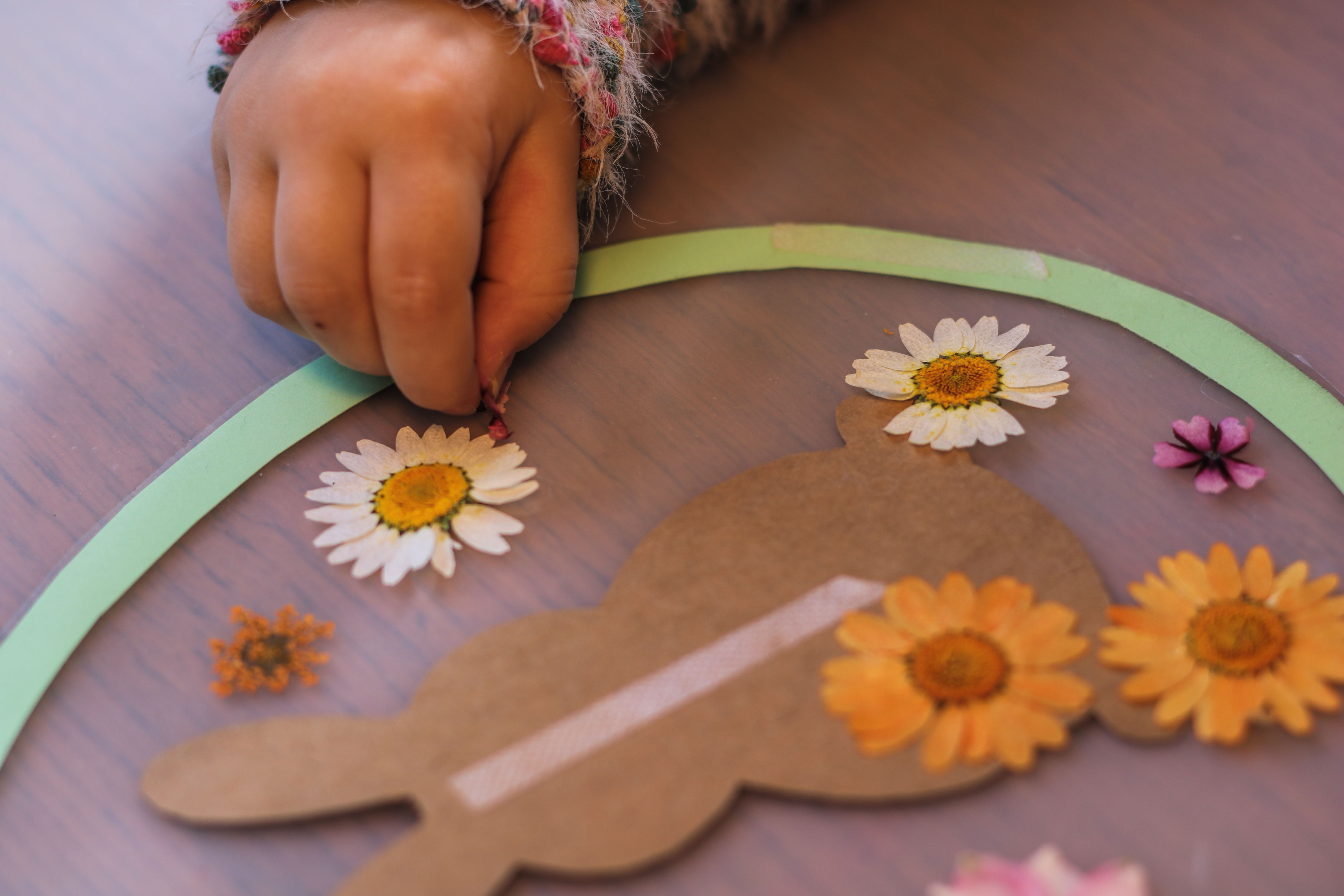
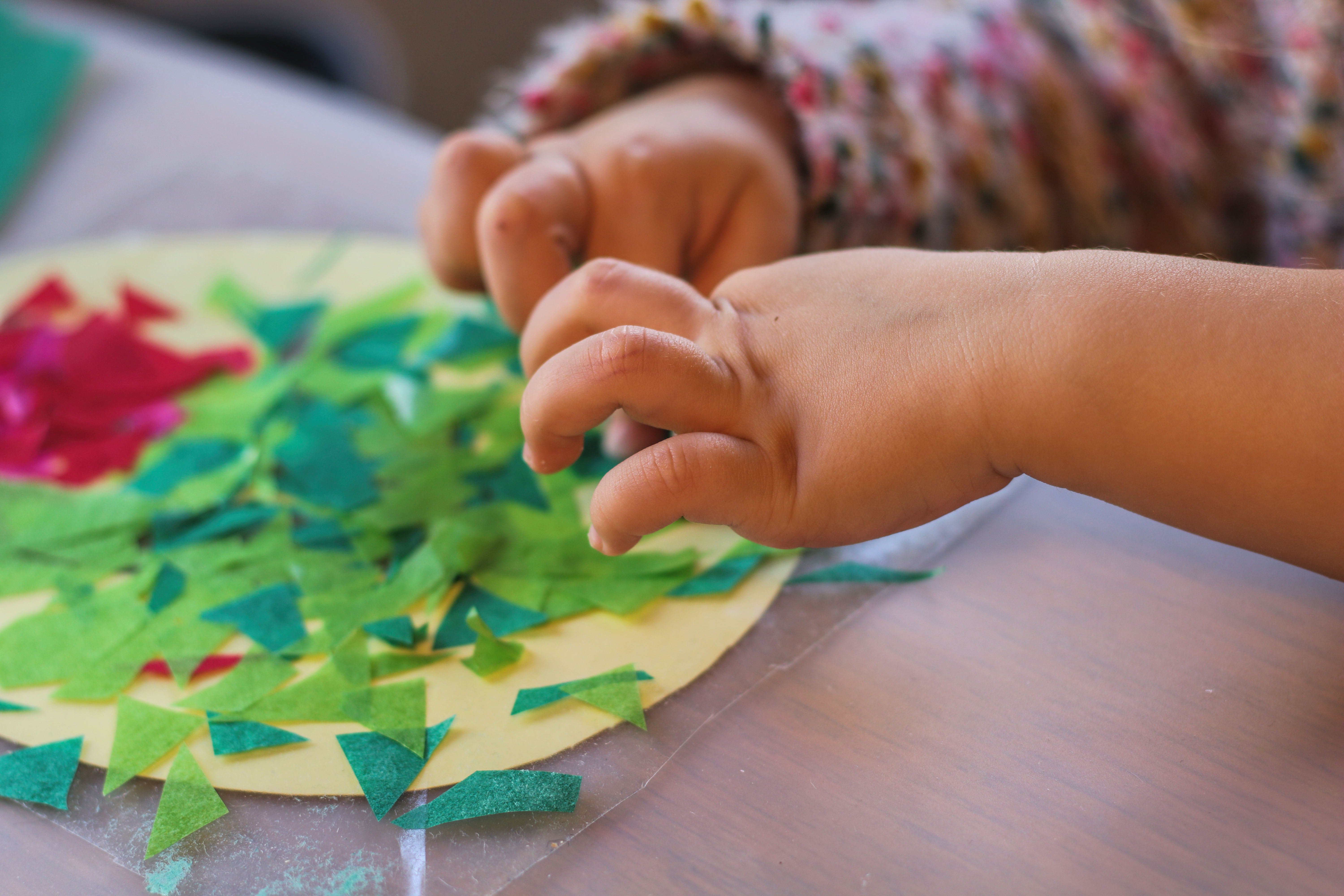
Window pictures: Transparent paper or dried flowers are pressed onto book adhesive foil.
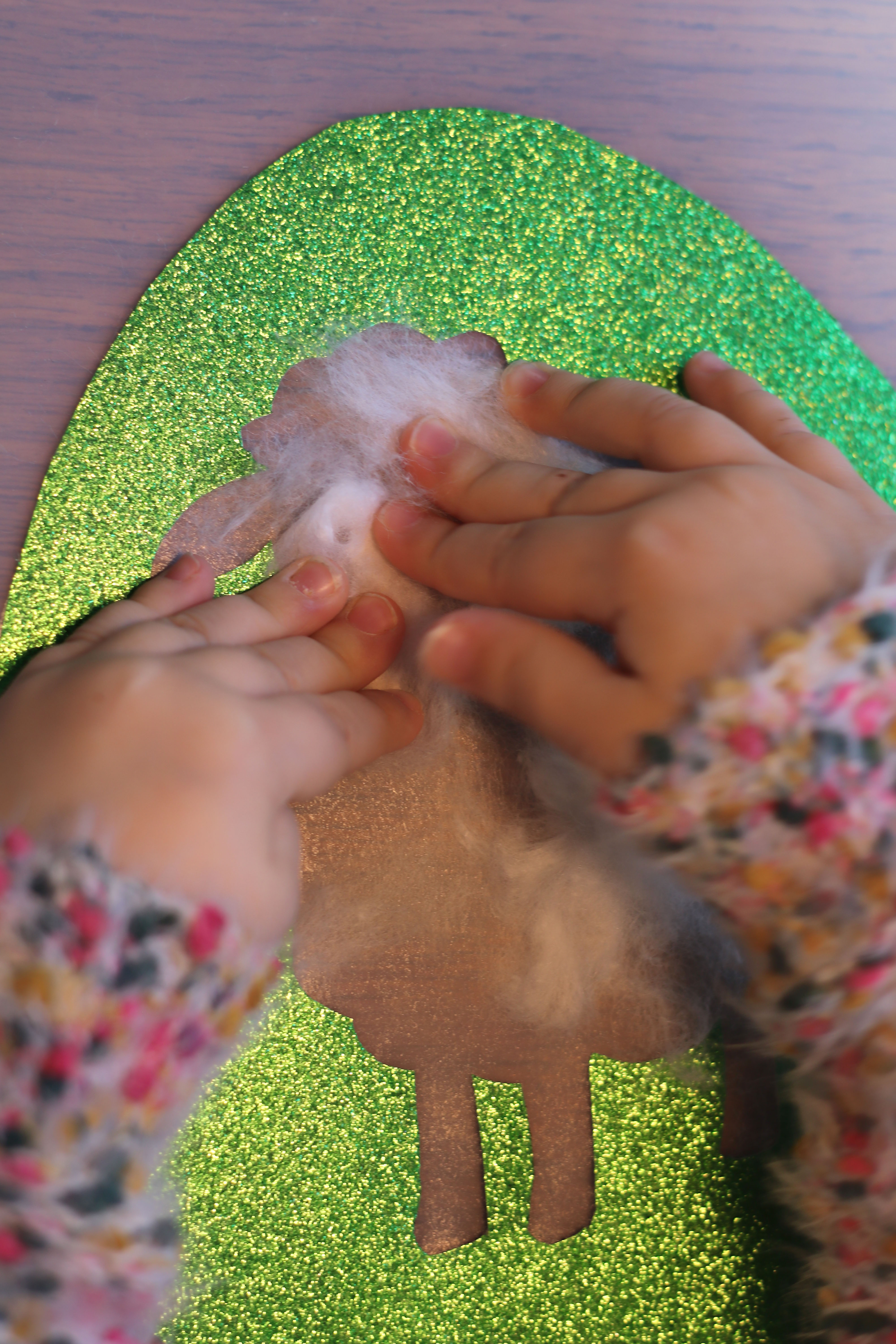
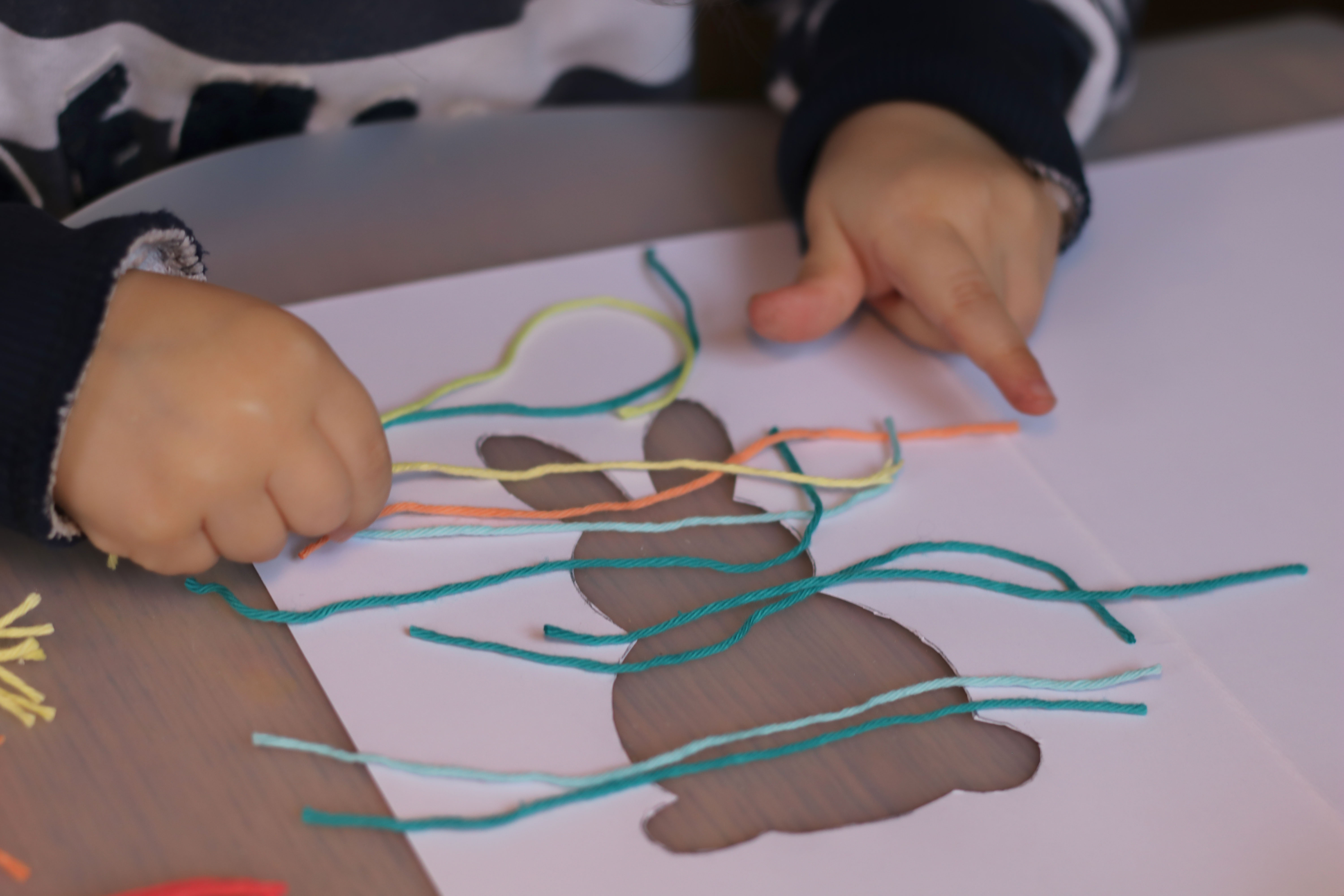
Wool and cotton ball art: Wool threads or cotton balls are attached to an adhesive surface.
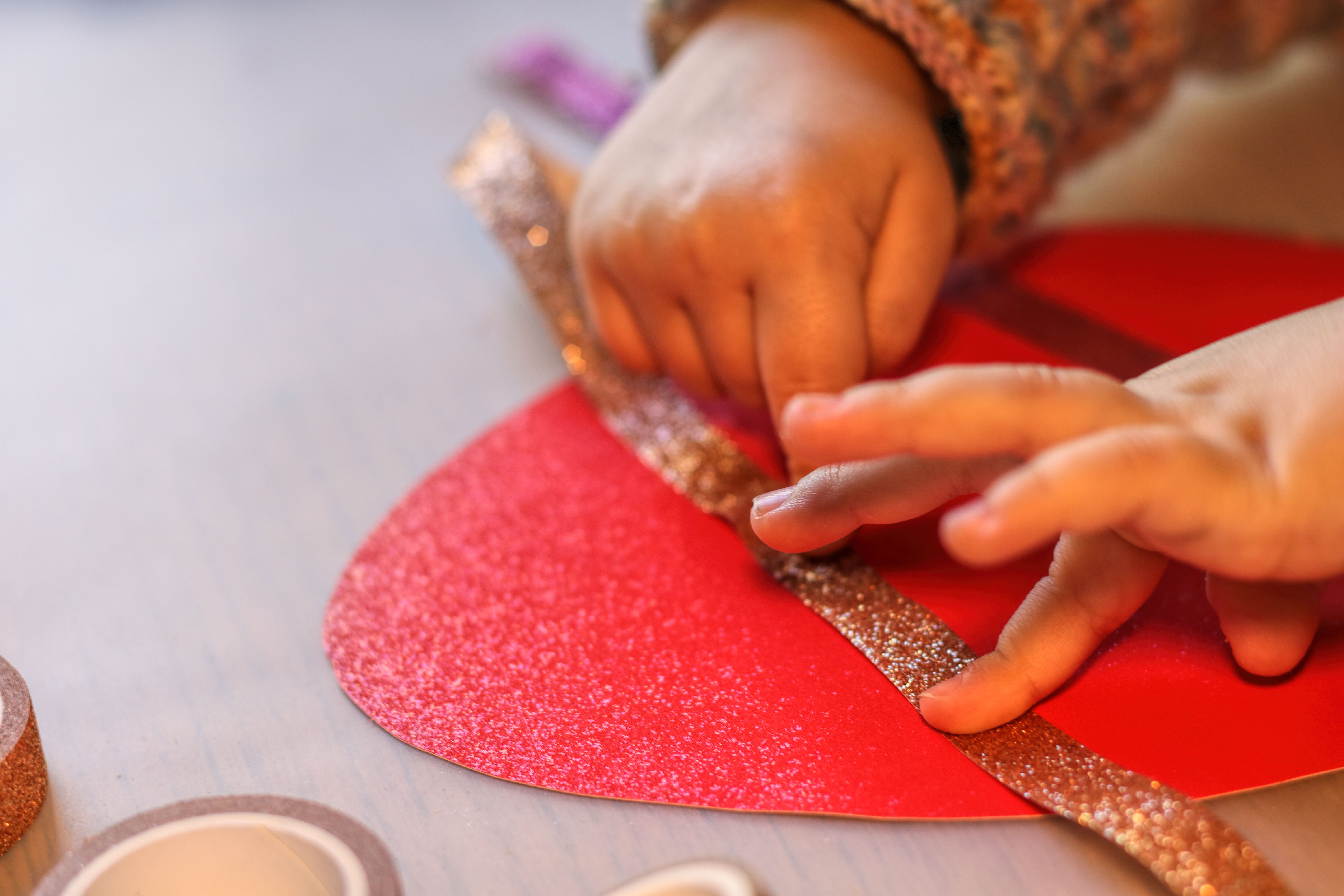
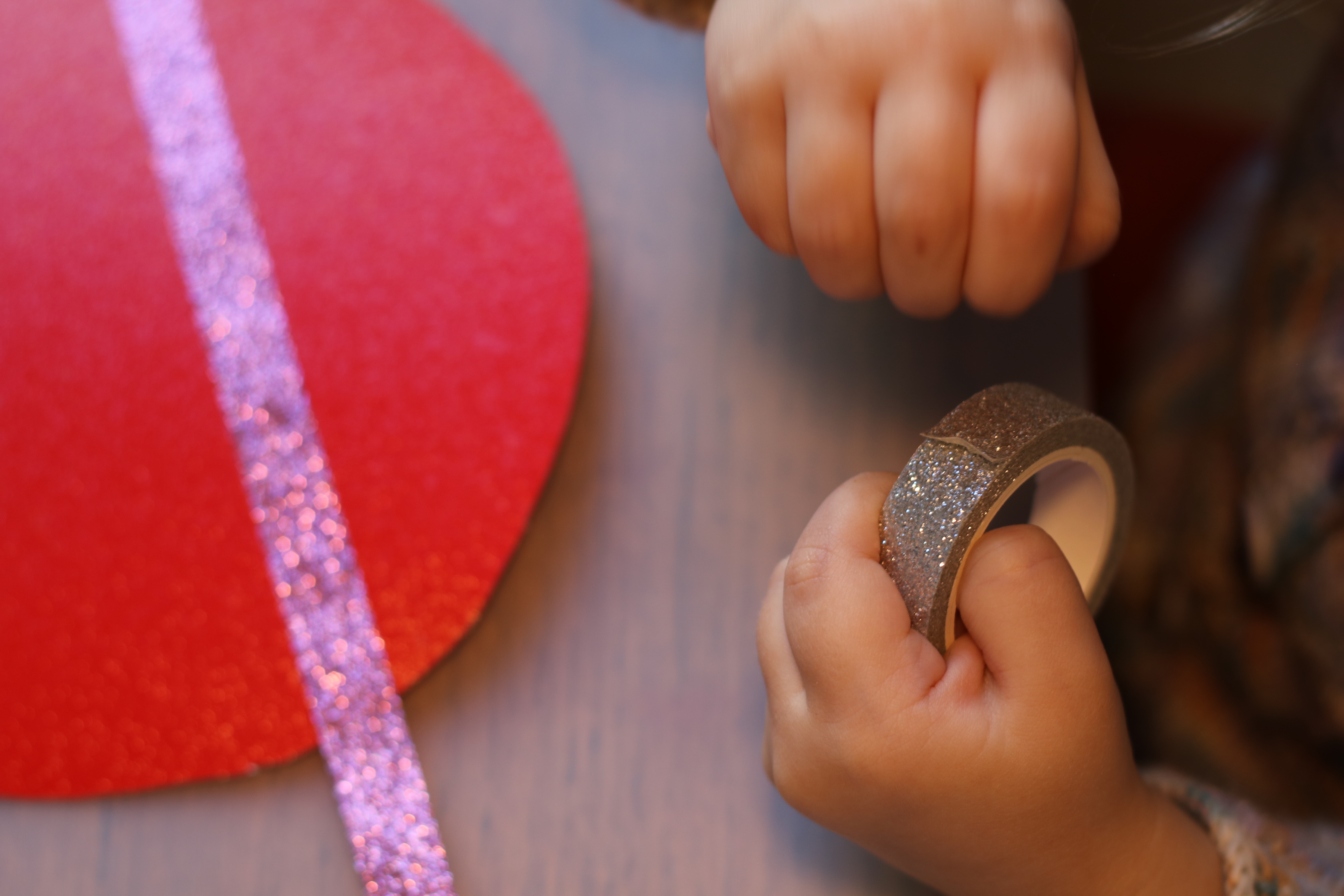
Washi tapeWashi tape is a decorative adhesive tape made from rice paper or thin paper, often colorful or printed with patterns. It tears easily, can usually be removed again, and does not leave sticky residue. Ideal for decorating, labeling, or holding things in place during crafts.Zum Glossar decoration: Small pieces of tape are stuck onto a design.
Stamping / Printing / Dotting / Painting
Here, beautiful patterns and shapes are created using simple materials.
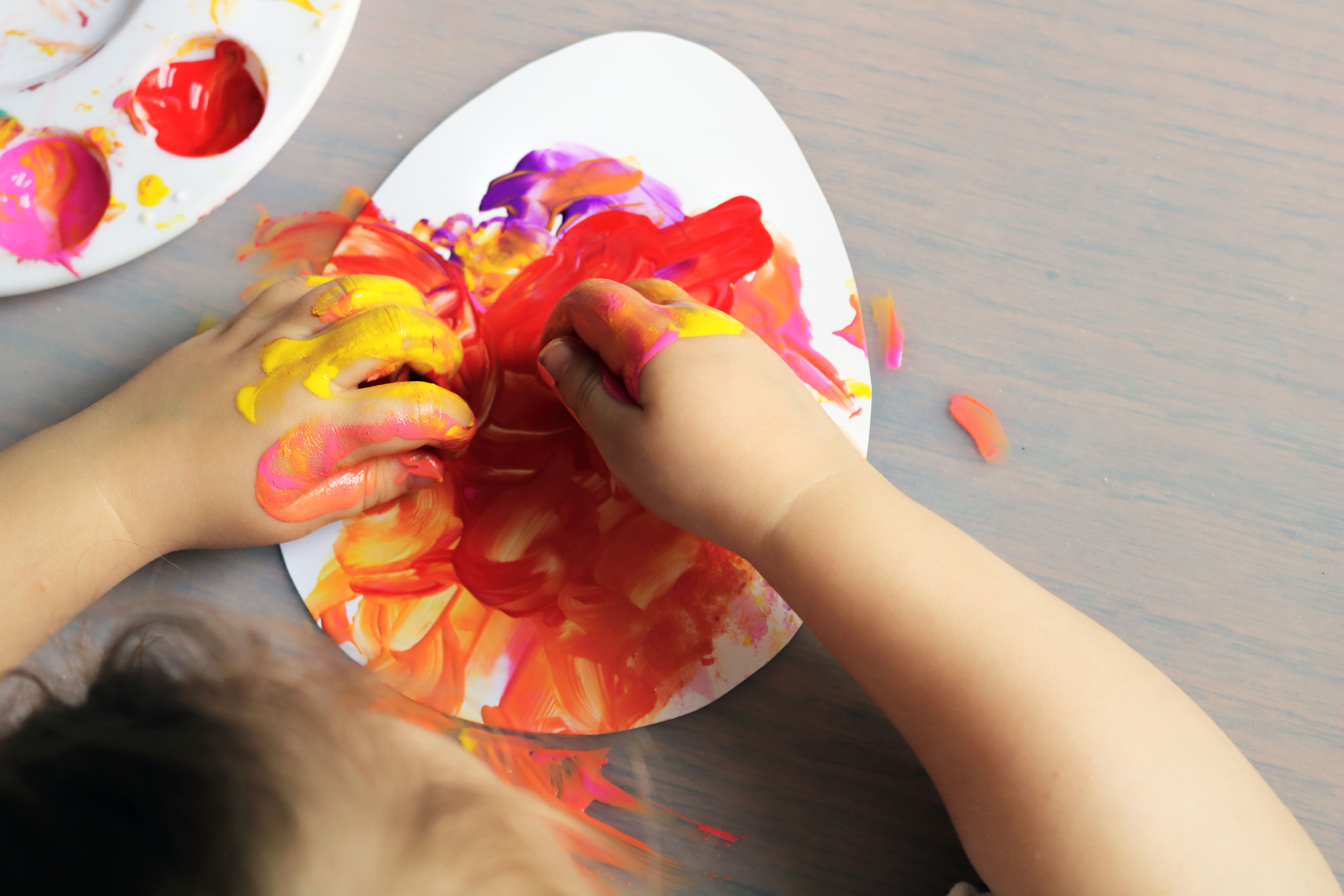
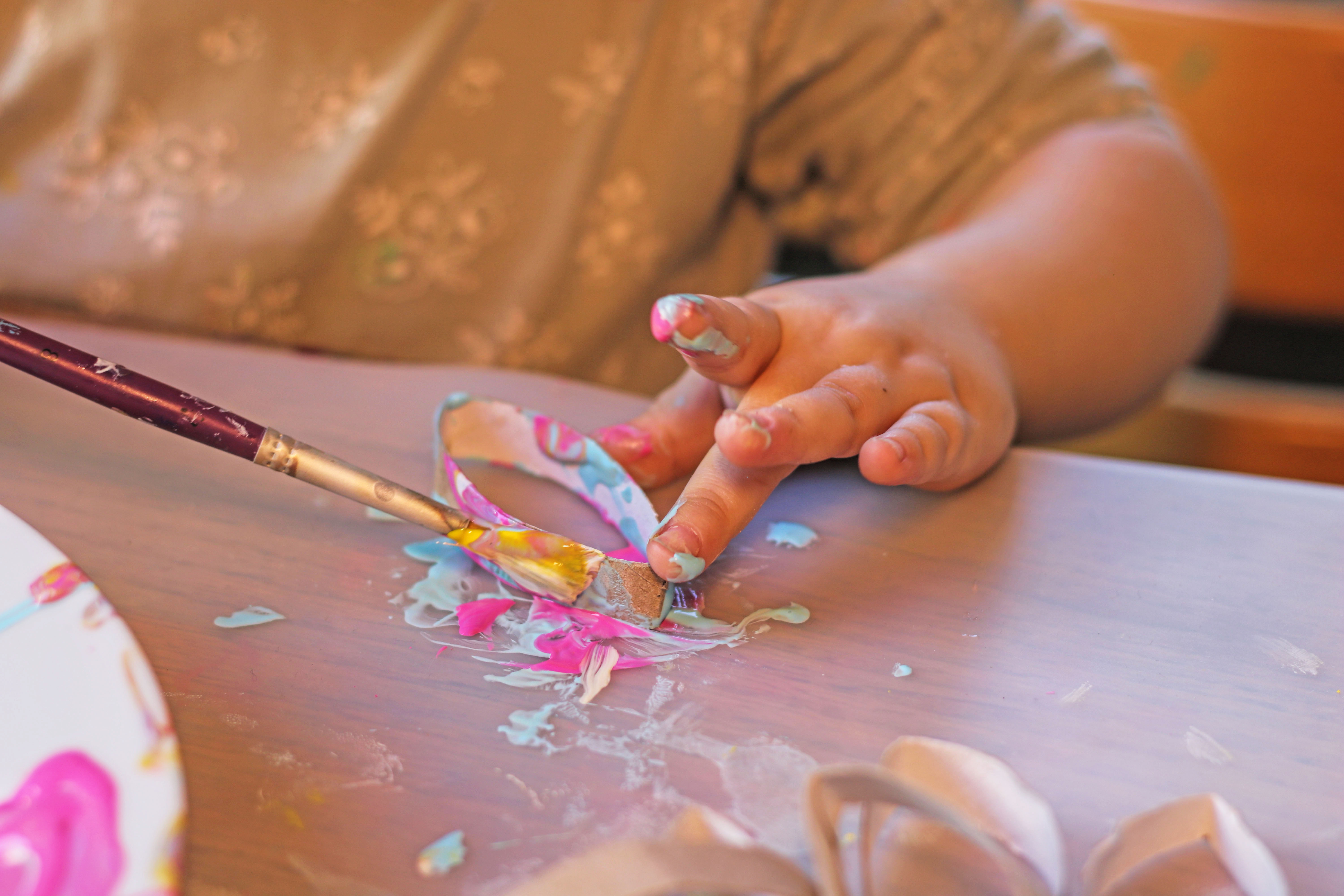
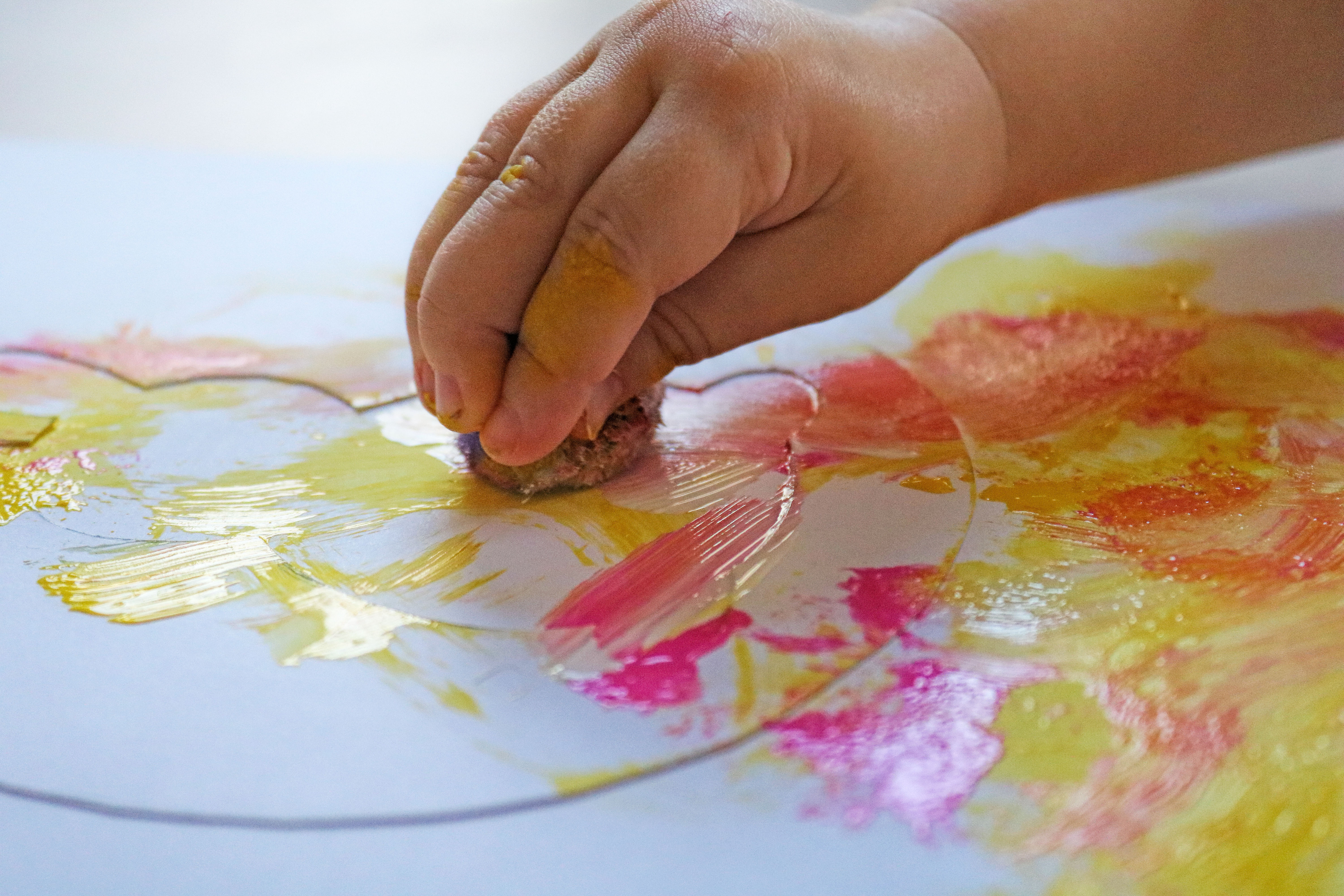
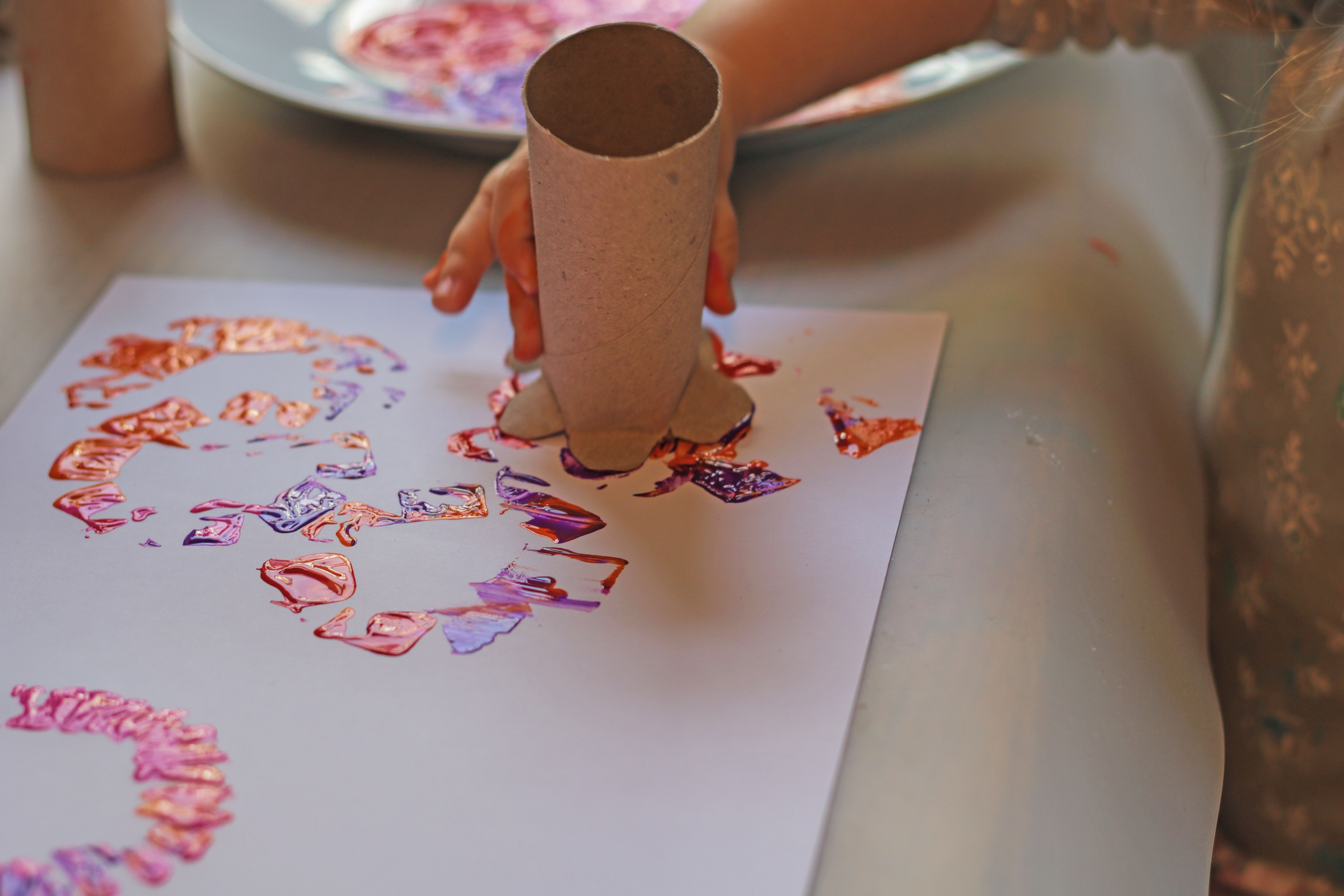
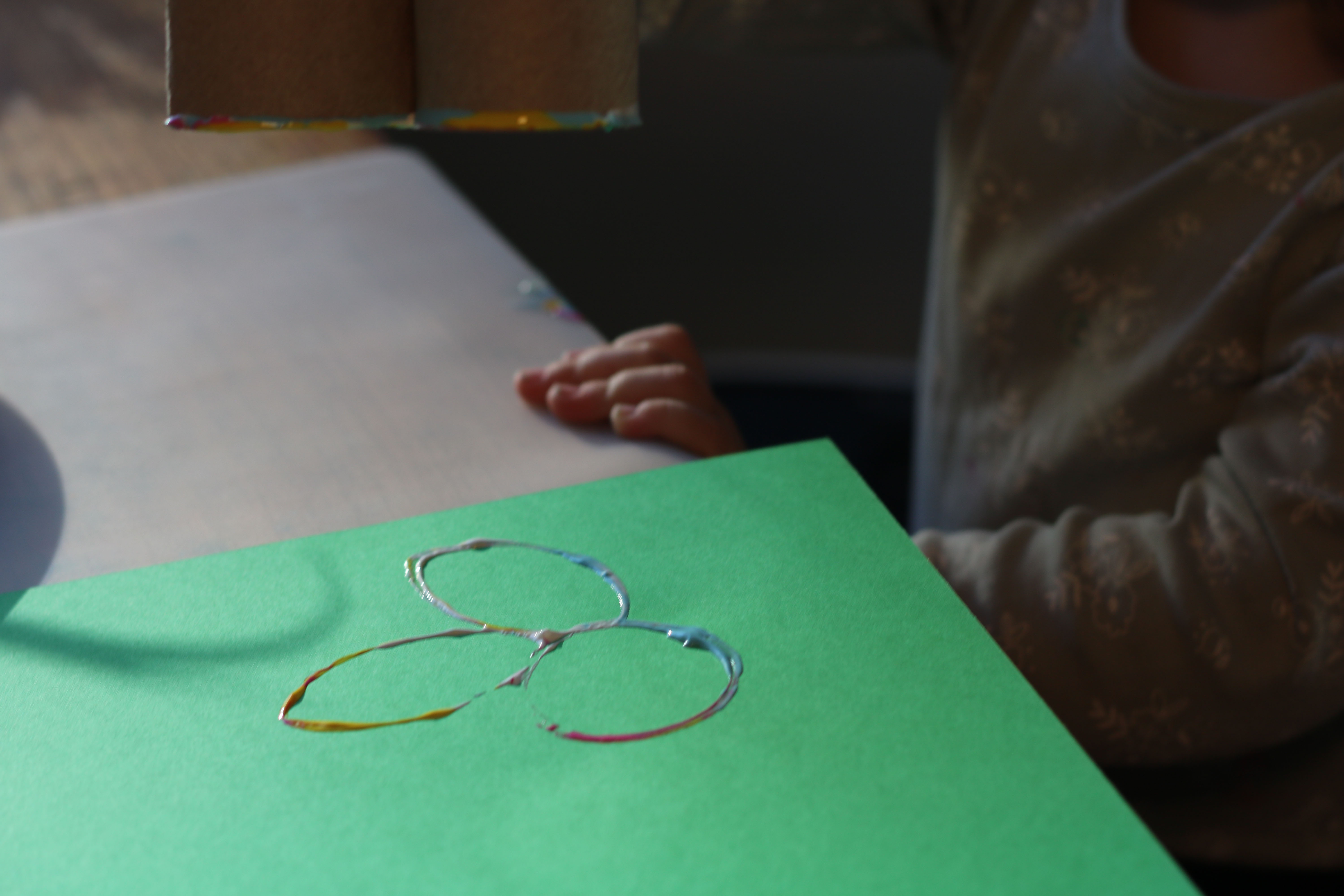
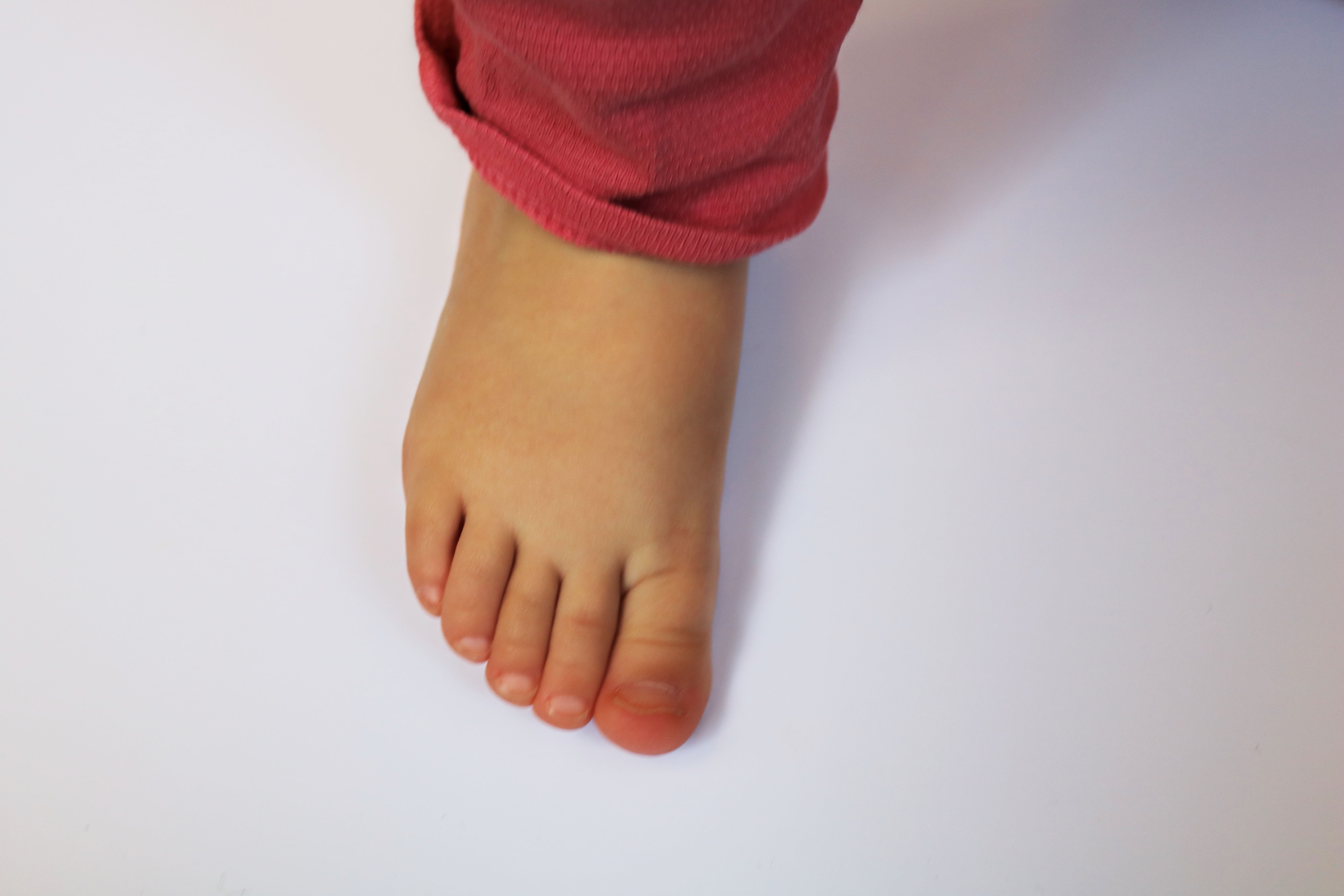
Finger-paint pictures: Paint is dabbed, smudged, brushed, or stamped using hands, sponges, or pom-poms.
Flowers with toilet paper rolls: Slit rolls are dipped in finger paint and stamped as flowers.
Rabbit print: A rabbit stamp is made from a roll and printed on paper.
Hand and Footprints: Hands or feet are painted with paint and pressed onto the paper.
Tearing / Plucking / Laying
Simple hand movements are also nicely incorporated into crafts.
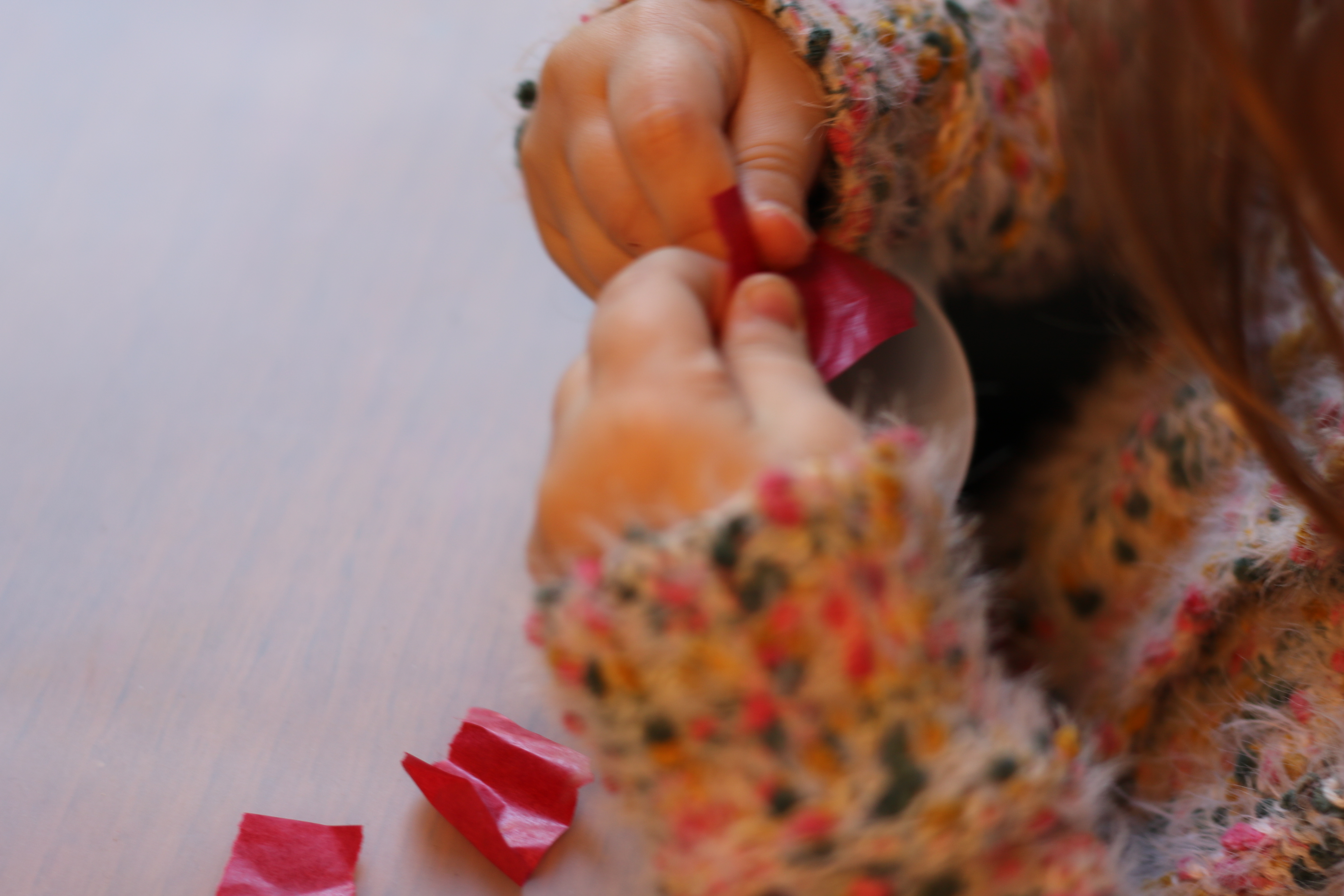
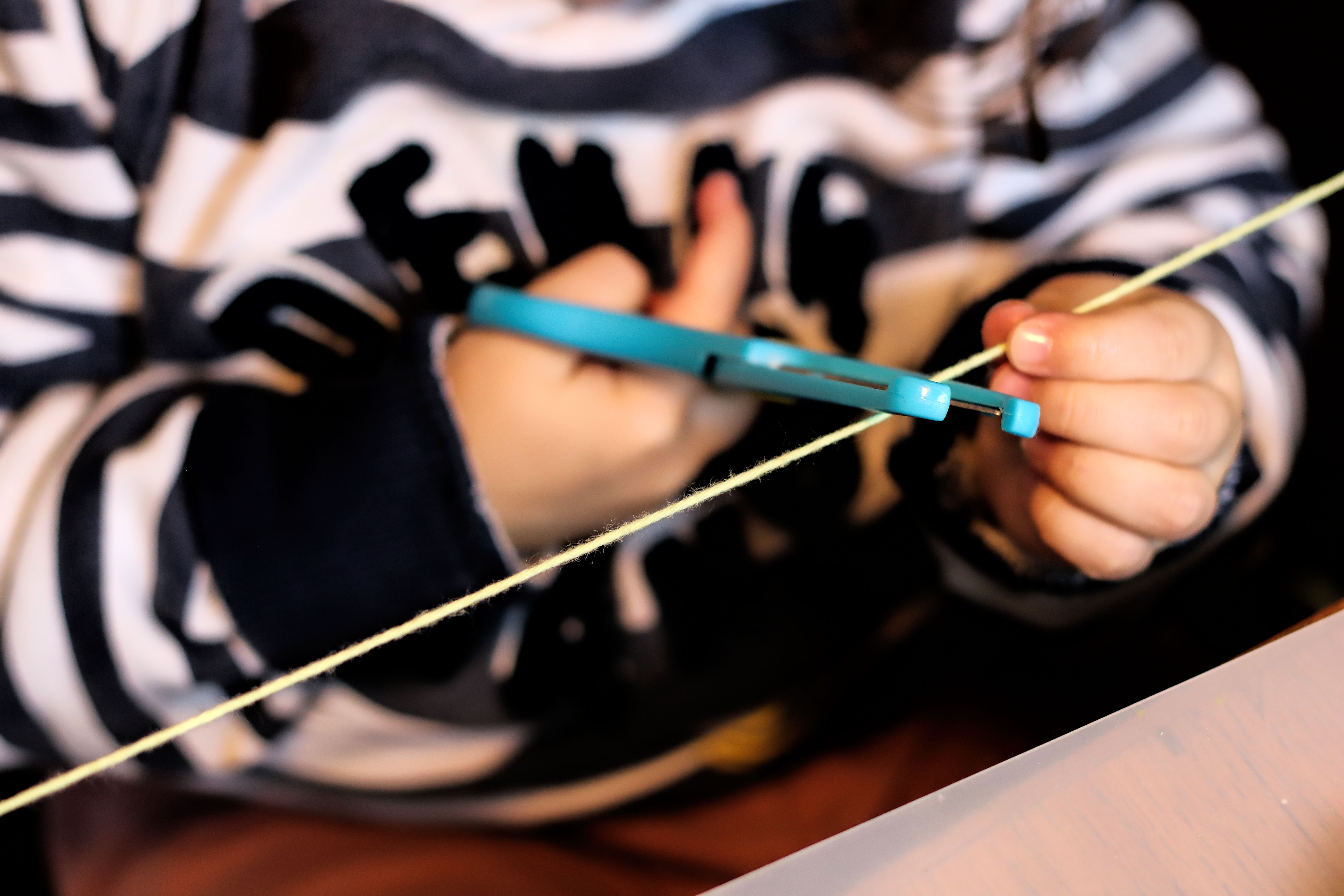
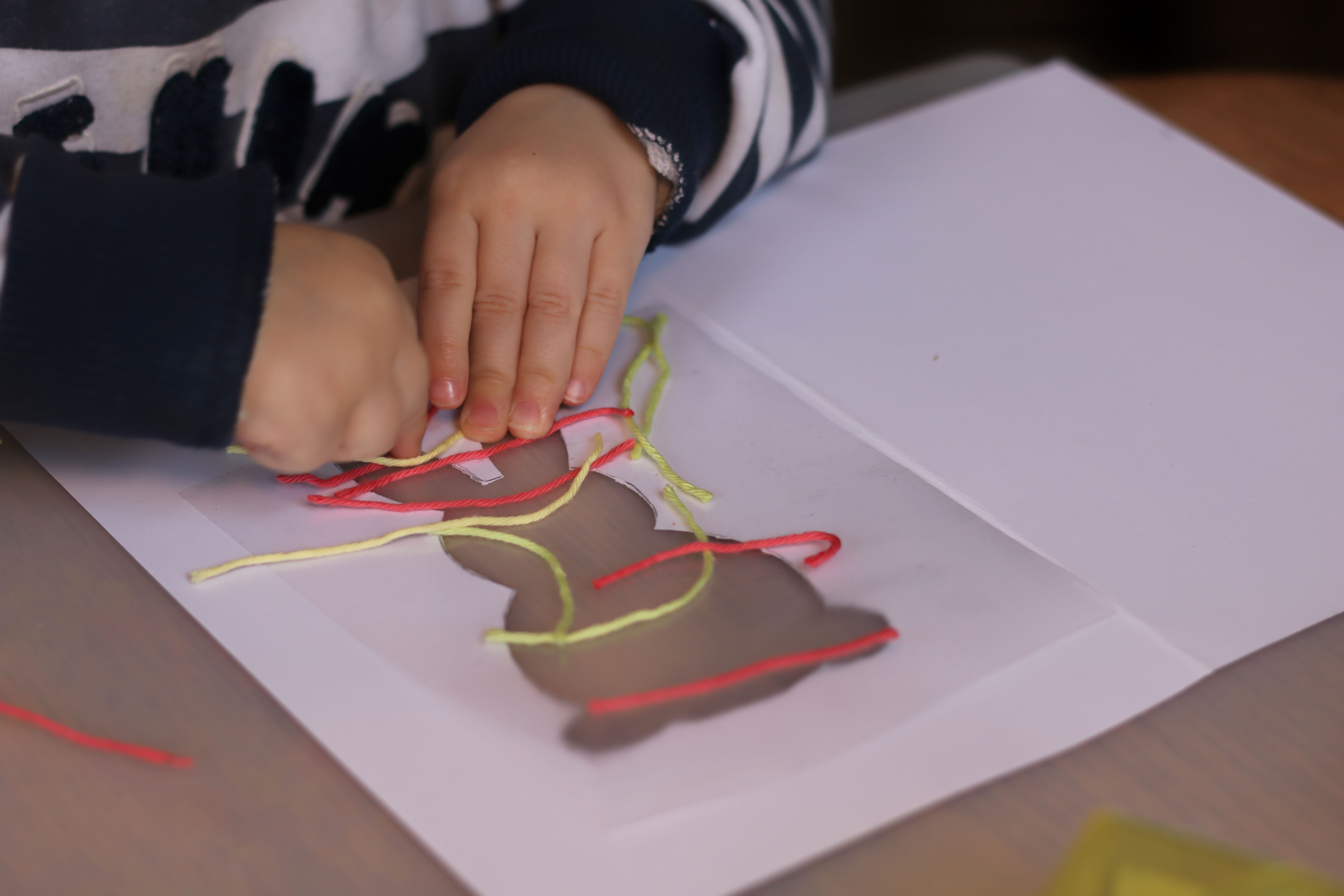
Window art: Tear or cut tracing paperTracing paper is thin and translucent (approx. 40–60 gsm), ideal for lantern crafts or window pictures.Zum Glossar.
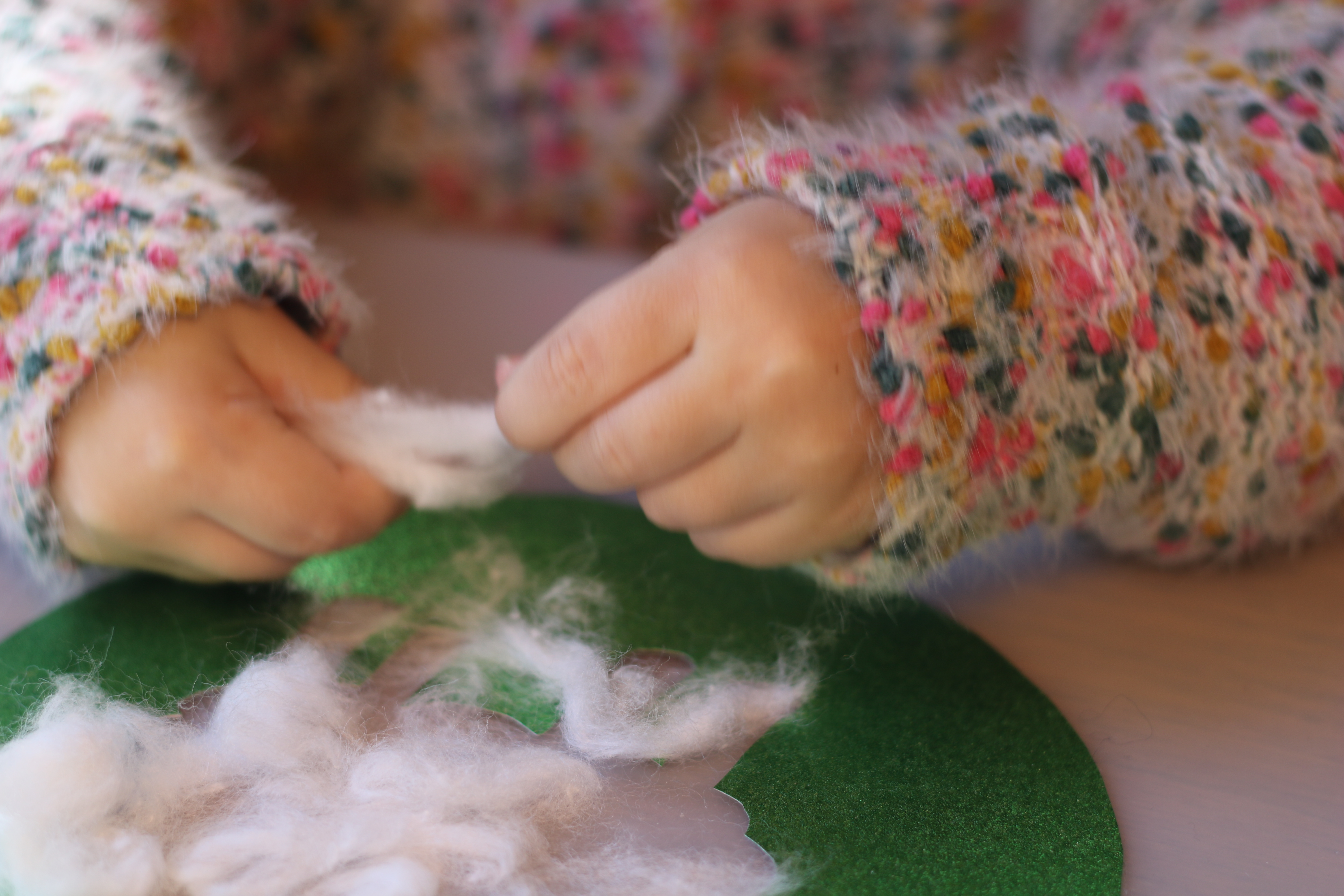
Cotton Motifs: Cotton is plucked and glued on.
Wool motifs: Wool threads are laid over the template.
Washi tape decoration: Tape can be torn or cut.
Häufige Fragen
What's the best way to praise my child while they're doing crafts or practicing?
The best part is when children are recognized not only for a “great result,” but also for the effort they put into getting there. Descriptive praise such as “You put a lot of effort into this,” “You were really focused,” or “You tried again” tends to boost self-confidence, motivation, and enjoyment of the activity. Of course, it’s fine to say that something turned out well—but praise that focuses on the process, the effort, and the child’s own ideas is particularly helpful.
Why are different craft techniques important for children?
Different craft techniques help children develop in a variety of ways. Among other things, they help improve fine motor skills, hand-eye coordination, concentration, creativity, and an appreciation for shapes, colors, and materials.
At what age can children start trying out craft techniques?
Even young children can learn their first simple techniques, such as tearing, gluing, finger painting, or stamping. As they get older, they can move on to more refined and challenging techniques, such as cutting, folding, pricking, or precise painting.
What craft techniques are particularly suitable for toddlers?
For young children, simple, playful techniques such as finger painting, dabbing, tearing, gluing with pre-cut pieces, modeling clay, or making prints with everyday materials are particularly suitable. Here, the focus is usually more on the experience than on achieving a perfect result.
Which craft techniques help develop fine motor skills?
Cutting, gluing, threading, kneading, pricking, folding, drawing with pencils, and carefully placing small objects are particularly effective at developing fine motor skills. These techniques help children gain better and better control over their hand movements.
Which craft techniques are good for concentration?
Activities such as coloring, folding, punching holes, cutting out, gluing according to instructions, or creating with small materials can help improve concentration. Through these activities, children learn to focus on a task for a certain period of time.
Do children need to learn craft techniques properly?
No, not strictly speaking. Children should be allowed to discover craft techniques at their own pace. What matters far more than “right” or “wrong” is that they enjoy experimenting and can gain their own experiences.
Why is free-form crafting just as valuable as crafting from a template?
Free crafting leaves plenty of room for imagination, personal ideas, and creative choices. Crafting from a template, on the other hand, can provide guidance and allow you to practice specific techniques in a targeted way. Both approaches have their merits and complement each other perfectly.
What skills are developed through tearing and gluing?
Tearing and gluing are great activities for young children. They help develop fine motor skills, control over force, coordination, and perception. At the same time, children learn that something new can be created from individual pieces.
Why is cutting such an important skill for children?
Cutting helps develop hand muscles, coordination between both hands, and concentration. It is an important preparatory activity for many everyday skills and helps children work with increasing confidence and precision.
What is the advantage of techniques such as dabbing, stamping, or printing?
These techniques are often particularly motivating because they produce beautiful results quickly. They are well-suited for younger children, encourage creativity, and help them gain their first creative experiences in a playful way.
Are craft techniques only meant to produce beautiful results?
No, the real value often lies in the activity itself. When doing crafts, children learn not only creative skills, but also patience, perseverance, self-confidence, and how to handle small challenges.
Can craft techniques also help with emotional processing?
Yes, creative activities can be very therapeutic for children. When they engage in crafts, they can express themselves, find calm, process their experiences, and fully immerse themselves in an activity. Repetitive or open-ended techniques can be particularly beneficial in this regard.
Which craft technique is right for my child?
It depends on your child’s age, interests, and motor skills. Some children love colors and free-form creativity, while others prefer clear instructions involving cutting, gluing, or folding. The best approach is often to simply try out different techniques.
Do children need a lot of help when doing crafts?
It depends on the child's age and the activity. Younger children usually need more guidance, while older children can handle many steps on their own. Often, it's enough to lay out the materials, offer a little help, and then let the child do it themselves.
Why is it beneficial to provide children with a variety of materials?
Different materials feel different and invite new experiences. Paper, cotton wool, cardboard, natural materials, modeling clay, and finger paint stimulate the senses and make craft activities varied and exciting.